“`html
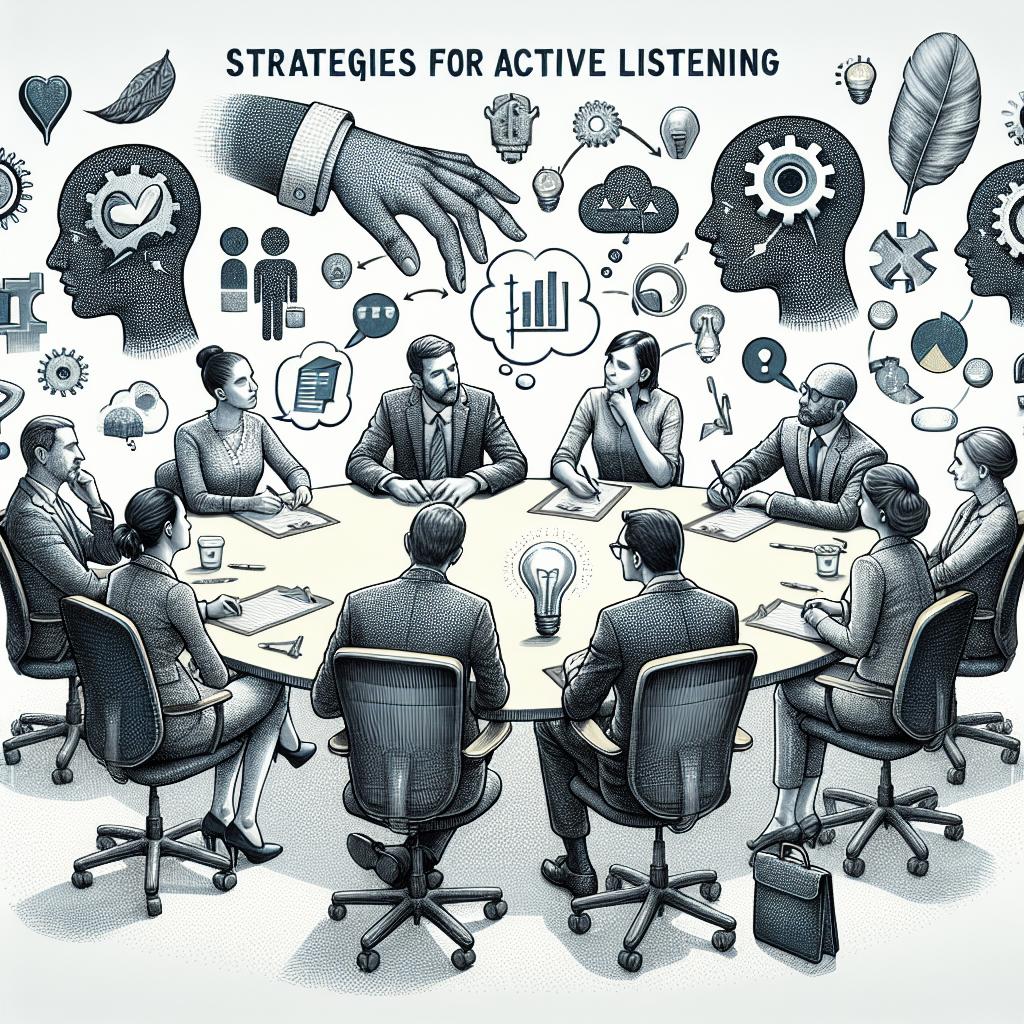
Strategies for Active Listening
Active listening is a skill that can significantly enhance your personal and professional relationships. By focusing on your conversation partner and truly engaging with their words, you can foster a deeper connection and understanding. This article explores seven essential techniques for active listening, including the importance of being fully present and asking open-ended questions. We’ll also look at why active listening is crucial in various aspects of life, from relationships to the workplace. Finally, we’ll discuss ways to improve your active listening skills and answer some frequently asked questions. By the end, you’ll have a clear strategy to become a better listener.
7 Active Listening Techniques
1. Be Fully Present
Being fully present means giving your undivided attention to the speaker. Put aside any distractions, such as your phone or computer, and focus on what the person is saying. This mindfulness shows respect and appreciation for the speaker’s time and thoughts.
Engaging fully also involves mindfully setting aside your internal dialogue and preconceptions. By doing this, you allow the speaker to feel heard, often leading to more productive and meaningful conversations.
2. Pay Attention to Non-Verbal Cues
Non-verbal cues often convey as much, if not more, information than spoken words. Eye contact, facial expressions, posture, and gestures are critical components of communication. Paying attention to these cues can help you understand the speaker’s emotions and the nuances of their message.
Observe the speaker’s body language and try to gauge the emotional undertone of the conversation. This increased awareness can lead to better empathy and connection.
3. Keep Good Eye Contact
Maintaining good eye contact is a clear signal that you are focused and interested in the conversation. It helps build trust and encourages the speaker to continue sharing their thoughts.
However, it’s also important to strike a balance; too much eye contact can be intimidating, so aim for a natural, comfortable level of eye engagement.
4. Ask Open-Ended Questions
Open-ended questions encourage elaboration and deeper discussion. Instead of asking something that elicits a simple ‘yes’ or ‘no’ response, ask questions that require more explanation or reflection.
For example, instead of asking “Did you like the movie?” try “What did you think about the movie?” This invites the speaker to share more of their thoughts and feelings.
5. Reflect What You Hear
Reflecting, or paraphrasing what the speaker has said, shows that you are processing their message. It helps clarify any misunderstandings and demonstrates your engagement.
Try to summarize the key points or feelings the speaker has expressed, and then wait for confirmation or correction. This creates a feedback loop that can deepen understanding.
6. Be Patient
Allow the speaker to express their thoughts fully without interruptions. Being patient during a conversation means waiting for the speaker to finish their thoughts rather than interjecting or finishing their sentences.
By exercising patience, you communicate respect for the speaker’s insights and encourage a more open and genuine discussion.
7. Withhold Judgment
Active listening requires an open mind. Withhold judgment until the speaker has finished communicating their entire message. Judging too quickly can lead to misunderstandings and hinder effective communication.
By suspending judgment, you create a safe space for the speaker, ultimately fostering a more honest and open dialogue.
Active Listening Example
An example of active listening can be seen in a counseling session, where the therapist focuses entirely on the client’s words, body language, and emotions. The therapist often reflects back what they hear, asks thoughtful questions, and offers feedback without passing judgment.
This type of listening helps the client feel valued and understood, encouraging further exploration of their feelings and thoughts.
Why Active Listening Is Important
In Relationships
Active listening is crucial for building trust and understanding in relationships. When partners listen to one another without judgment, it fosters mutual respect and strengthens emotional bonds.
Effective communication can prevent misunderstandings and conflicts, allowing couples to navigate challenges more smoothly.
At Work
In the workplace, active listening contributes to effective teamwork and collaboration. Listening attentively ensures that all ideas are heard and valued, leading to better decision making and problem solving.
Furthermore, employees who listen actively are more likely to understand instructions, avoid errors, and build positive working relationships with colleagues.
During Social Situations
In social situations, active listening helps in making new connections and maintaining friendships. People are drawn to those who show genuine interest in their lives, making active listening a key skill for social success.
By demonstrating empathy through active listening, you ensure that social interactions are more rewarding and engaging.
Press Play for Advice on Active Listening
While reading about active listening techniques is beneficial, watching videos that showcase real-life examples can further enhance your skills. Try finding tutorials or TED Talks that focus on improving listening skills.
Listening to podcasts on communication can also provide insights into different perspectives and methods for becoming a more effective listener.
Ways to Improve Active Listening
Improving your active listening skills involves consistent practice and mindfulness. One approach is to participate in active listening exercises with a partner, where you take turns listening and reflecting on each other’s words.
Additionally, mindfulness meditation can enhance your ability to focus and remain present during conversations. By training your mind to be more aware, you naturally become a better listener.
Reading books on communication or attending workshops and seminars can also provide valuable insights into improving this vital skill.
Keep in Mind
Frequently Asked Questions
Q: What are some common barriers to active listening?
A: Barriers include distractions, internal biases, emotional responses, and lack of focus. Reducing these can enhance your listening skills.
Q: Can active listening be taught?
A: Yes, it can be learned and improved through practice, exercises, and being conscious of your listening habits.
Q: How long does it take to improve active listening skills?
A: Improvement varies but can often be seen with consistent practice and effort in a few weeks to months.
Summary of Main Points
| Technique | Summary |
|---|---|
| Be Fully Present | Eliminate distractions and focus entirely on the speaker. |
| Pay Attention to Non-Verbal Cues | Observe body language and emotional undertones to gain insight. |
| Keep Good Eye Contact | Engage with eye contact to show interest and build trust. |
| Ask Open-Ended Questions | Encourage deeper conversations by asking expansive questions. |
| Reflect What You Hear | Summarize the key points to confirm understanding. |
| Be Patient | Allow the speaker to fully express their thoughts without interruption. |
| Withhold Judgment | Suspend judgment until the speaker has finished communicating. |
“`