“`html
How to Care for Houseplants
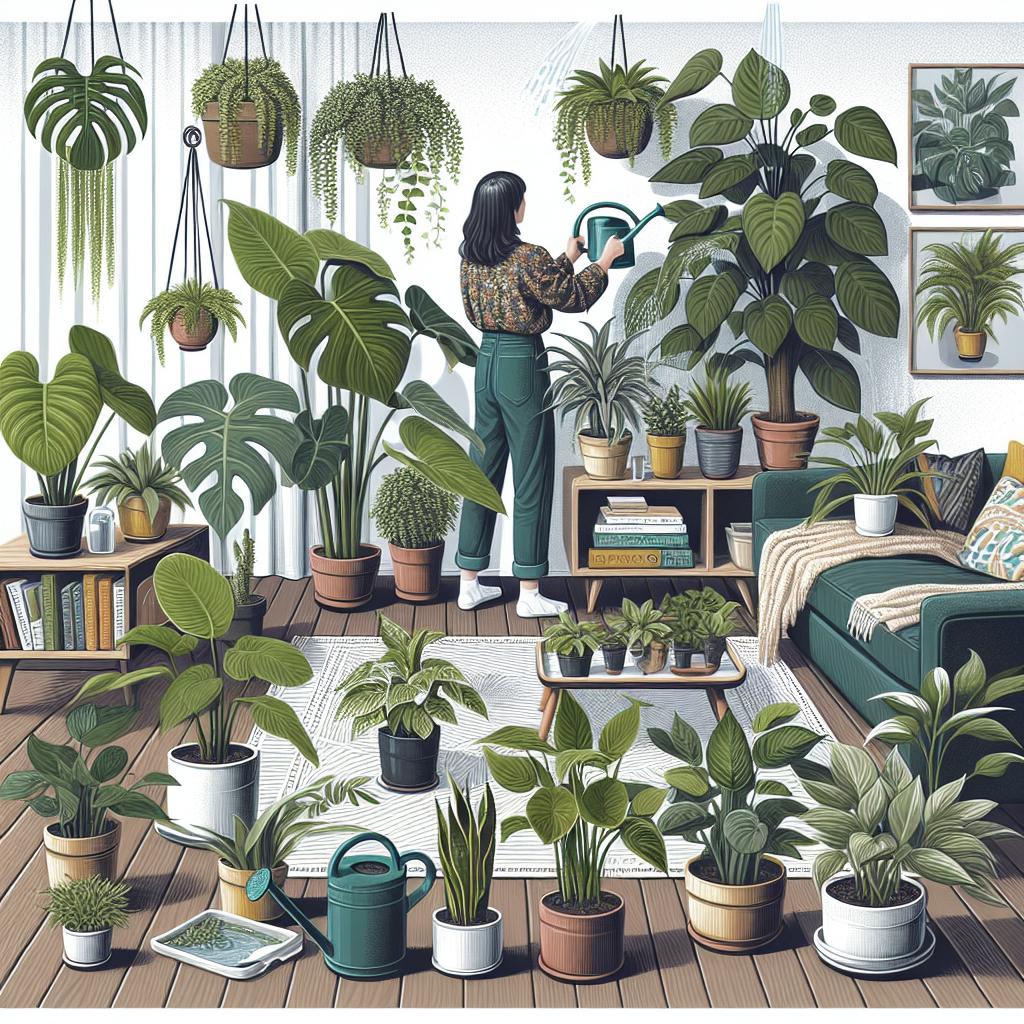
Houseplants have become a beloved addition to modern homes, offering not only aesthetic appeal but also health benefits. Caring for houseplants involves understanding their needs related to soil, water, light, and temperature. This guide will walk you through essential houseplant care tips, detailed instructions for some popular houseplants, and inspire you to create lush indoor greenery. Whether you’re a seasoned botanist or a first-timer, the fundamentals detailed here will ensure your plants flourish and bring life to your interior spaces. Let’s nurture your green thumb together!
Caring for Your Plants
Start with the Soil
The foundation of any thriving plant is healthy soil. Not all plants require the same soil type, so it’s crucial to start by selecting the right medium. Many houseplants thrive in potting soil mixed with perlite or vermiculite, guaranteeing excellent drainage while retaining some moisture. For cacti and succulents, a well-draining cactus mix is preferable, whereas orchids often require a bark-based medium.
Regularly refresh the soil to keep it nutrient-rich and free from compaction. Repotting your plants every one or two years is essential to prevent root-bound issues, promote growth, and completely renew the growing medium. An often overlooked aspect is soil aeration which can be achieved by gently loosening the top of the soil occasionally to allow roots to breathe.
On Watering
One of the most common mistakes in houseplant care is improper watering. The key is to strike a balance; ensure that the soil is well-hydrated while avoiding the dreaded overwatering. Let the top inch or two of the soil dry out before watering again for most indoor plants. You can test this by inserting your finger into the soil or using a moisture meter for precision.
Consistency is crucial – choose a designated day of the week to assess each plant’s needs. Consider environmental factors such as humidity and the season, as both can affect how much water your plants will require. Remember, it’s often better to underwater occasionally than to overwater, as the latter can lead to root rot and other diseases.
Brighten Up!
Light is as vital for plants as food is for us. However, the amount and intensity vary widely among different species. Understanding the light requirements is critical in ensuring plant health. Low-light plants like the Snake Plant can thrive in dimmer conditions, while succulents enjoy basking under bright, indirect light.
Be sure to rotate your plants regularly to provide even light coverage, aiding symmetrical growth. If natural light is limited, consider using grow lights, which can mimic the sun’s rays and help supplement light needs, especially during shorter winter days. Observing your plant’s leaves can provide clues about their light needs; yellowing or stretching towards the light may indicate inadequate exposure.
Fertilizing Time
To keep your houseplants thriving, occasional feeding with the right fertilizer is essential. Most houseplants benefit from feeding during the growing season, typically from early spring to late summer. Deciding on organic options or synthetic fertilizers is a matter of personal choice and depends on your plants’ specific needs.
The ideal frequency varies with plant types and the growing environment, but a general rule of thumb is to fertilize once a month. Be cautious with fertilizer strength; it’s safer to opt for a diluted solution to prevent root burn and nutrient build-up, which can harm your plants in the long run.
The Right Temperature, Good Air Flow, and the Best Face
Your plants need the right conditions to flourish. Most houseplants feel comfortable within our home range of 65-75°F (18-24°C). Avoid placing them near drafts, heating vents, or air conditioners to prevent extreme fluctuations that could stress your plants.
Air circulation is equally important but often forgotten. Proper air flow helps prevent mold growth and pests. Use oscillating fans during hotter months or open windows to circulate air, but shield plants from harsh winds. As an additional tip, regularly clean your plants’ leaves to remove dust, allowing them to ‘breathe’ freely and absorb sunlight more efficiently.
The Plant Roster
1. Snake Plant (Sansevieria trifasciata)
The Snake Plant, known for its striking, upright leaves, is an ideal plant for beginners. It’s remarkably tolerant of neglect and can survive in a wide range of lighting conditions, though it prefers indirect sunlight. Its hardy nature makes it resilient to occasional lapses in watering, needing water only when the soil is dry to the touch.
This plant is also known for its air-purifying abilities, making it a popular choice for modern homes. To promote growth, ensure it’s kept in a well-draining potting mix and repot when it becomes root-bound. If you notice browning or softening of leaves, it might be a sign of overwatering.
2. Dumb Cane (Dieffenbachia)
Dumb Cane is adored for its lush, decorative leaves with unique patterns. It thrives in bright yet indirect light and prefers a humid environment similar to its tropical origins. It requires consistently moist soil, so it’s crucial to keep an eye on its watering needs, especially during warmer seasons.
A word of caution: its sap can be irritating to skin and toxic if ingested, so handle with care and keep it out of reach of pets and children. When cared for properly, it can grow quite tall, so ensure it has space to expand its canopy.
3. Peace Lily (Spathyphillum)
With its elegant, white blossoms and glossy foliage, the Peace Lily is a staple in many households. It flourishes in low to moderate light and requires watering when the top inch of soil feels dry. Overwatering can result in root rot, so well-draining soil is essential.
Sensitive to tap water’s chemicals, it benefits from distilled or filtered water. Despite its delicate appearance, it acts as a powerful air purifier, making it not only a beautiful but also a functional addition to your home.
4. Pothos (Epipremnum)
Pothos, with its trailing vines and vibrant leaves, can liven up any dull corner. It’s a forgiving plant that can thrive under various conditions, from low light to bright, indirect sunlight. Water when the soil feels dry; occasional neglect won’t harm it.
It can grow as both a hanging plant or one that cascades down shelves. Trimming the vines encourages bushier foliage and controlling its growth. Its resilient nature makes it perfect for busy lifestyles or plant novices.
5. Spider Plant (Chlorophytum comosum)
The Spider Plant is renowned for its air-purifying capabilities and ease of care. Thriving in bright, indirect sunlight, it adapts well to various light conditions, but avoid direct sun which may scorch its leaves. Regular waterings maintain its health, but allow the top of the soil to dry out in between.
Spider plants produce offshoots or “spiderettes,” which can be easily propagated. Its robust nature, combined with the ability to thrive in hanging baskets, makes it a popular plant for both beginners and seasoned gardeners.
6. Ponytail Palm (Beaucarnea recurvata)
The Ponytail Palm features a bulbous base and cascading leaves reminiscent of a ponytail, making it an eye-catching houseplant. It prefers bright light and requires watering every couple of weeks during active growth phases. Its drought-resistant nature means overwatering is the biggest risk.
Despite its name, the Ponytail Palm isn’t a true palm but a succulent, thus requiring a cactus or well-draining potting mix. Given the right conditions, it can grow slowly into a stunning indoor specimen.
7. Rubber Plant (Ficus elastica)
The Rubber Plant is valued for its broad, glossy green leaves and growth potential. It prefers bright, indirect sunlight, though it can tolerate lower light levels. Water it whenever the top soil dries out, but reduce frequency during winter.
Regular cleaning of its leaves ensures its beauty and promotes growth. This plant is also known for its air-purifying traits, contributing to cleaner and fresher indoor air.
8. Aloe (Aloe vera)
Aloe Vera, praised for its soothing gel, is also a decorative addition to any plant collection. It loves bright, indirect sunlight and requires minimal watering—perfect for the forgetful plant owner. Allow the soil to dry completely between waterings to safeguard against root rot.
Its medicinal properties, combined with straightforward care, make it both a functional and attractive plant. Just ensure it resides in a well-draining soil mix to mimic its natural arid environment.
9. Moth Orchid (Phalaenopsis)
The Moth Orchid is admired for prolonged blooms and striking elegance. It prefers bright, indirect light and should be kept away from direct sun to prevent leaf burns. Maintaining a consistent watering schedule, often weekly, and ensuring the potting medium dries out in between are key to its care.
Moth Orchids enjoy a humid environment, mimicking their native conditions, which can be facilitated by placing them in a bathroom or kitchen or using pebble trays. With the right care, these orchids can re-bloom throughout the year, adding fantastic color to your home.
Time to Fill Your House with Greenery
Embracing the world of houseplants not only transforms your living space into an aesthetic haven but also promotes a healthier lifestyle. As you embark on this journey, remember that patience and attention to your plants’ signals are your best tools. Each plant has a unique set of needs, but with time, you will learn to intuitively cater to them. The vitality of greenery can drastically improve the ambiance and air quality of your home, offering species diversity that aligns with your lifestyle.
Whether you’re caring for low-maintenance varieties or delicate blooms, the rewards far exceed the effort. Houseplants offer not only visual appeal and cleaner air but also a sense of peace and accomplishment. So, go ahead and indulge in the fulfilling hobby of plant care, transforming your home into a serene green sanctuary.
| Care Aspect | Guidelines |
|---|---|
| Soil | Select well-draining potting mix; repot every 1-2 years. |
| Watering | Water when the topsoil is dry; adjust for season/humidity. |
| Light | Match light levels to plant needs; use grow lights if necessary. |
| Fertilizing | Feed during growing season; use diluted solutions monthly. |
| Temperature & Air Flow | Keep consistent indoor temps; ensure good air circulation. |
“`