“`html
Tips for Greener Living: A Day-by-Day Guide for April
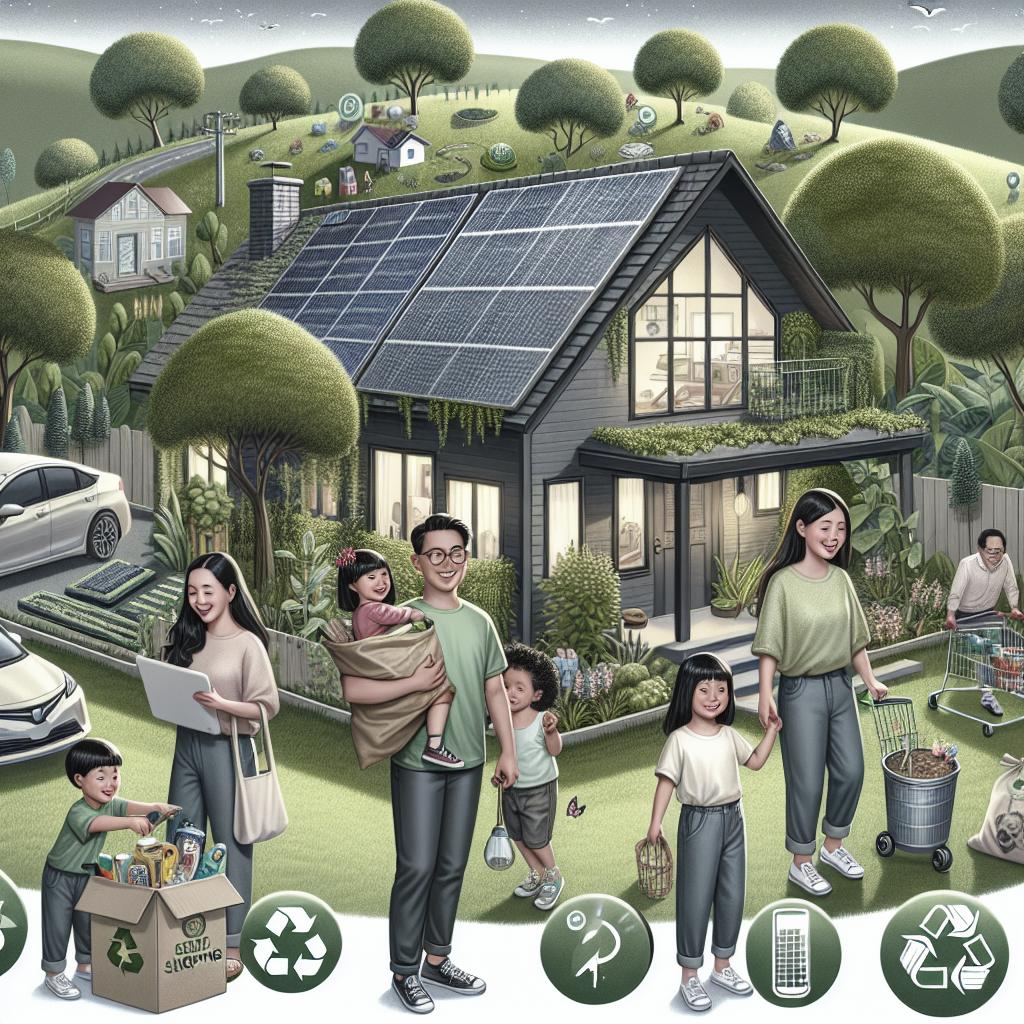
April is the perfect month to embrace greener living as it’s not only the heart of spring but also hosts Earth Day. This month-long guide presents a daily tip to help you adopt a sustainable lifestyle. From small behavioral shifts to larger lifestyle changes, these tips are designed to make eco-friendly living accessible and impactful. Get ready to dive into practical ideas like going car-free, minimizing waste, choosing sustainable brands, embracing plant-based meals, and more. Whether you’re new to the idea or a seasoned eco-warrior, this guide will provide inspiration and motivation to contribute positively to the environment. Let’s embark on this journey toward a healthier planet with a greener you!
Sustainable Tips of the Day For April
April 1 — Get curious & committed
Starting April with commitment can set a positive tone for the month. The first step towards greener living is educating yourself about environmental issues such as climate change, pollution, and resource depletion. Understanding the challenges can help you identify areas where you can make the most difference.
Commit to researching daily habits you can change. Set attainable goals like reducing single-use plastics or consuming less energy. Being informed and committed empowers you to make more conscious choices and inspires those around you to do the same.
April 2 – Turn Off & Unplug
Wasting energy is a common habit that has a significant impact on the environment. By simply turning off lights when leaving a room and unplugging devices not in use, you can reduce your carbon footprint. Devices like chargers and televisions still consume energy even when turned off, so remember to unplug them.
Installing power strips can make it easier to disconnect multiple electronics at once. This not only conserves energy but may also lower your electricity bill. Make it a daily practice to turn off and unplug, fostering a mindful approach to energy consumption.
April 3 – Reach For Eco-Friendly Fibers
Our clothing choices can have a profound environmental impact. Opt for garments made from sustainable materials like organic cotton, bamboo, and hemp, which are cultivated with minimal chemical inputs and water usage. Supporting brands that prioritize eco-friendly practices is crucial in this regard.
Furthermore, invest in high-quality pieces that will last longer and can be mended rather than discarded. Avoid fast fashion by choosing timeless styles that hold their appeal year after year, reducing waste and promoting sustainability in your wardrobe.
April 4 – Give Your Car a Break
Cars contribute greatly to greenhouse gas emissions. Taking a break from driving, even one day a week, can significantly reduce your carbon footprint. Consider walking, biking, or using public transport instead, which is a healthier option for you and the planet.
Carpooling is another effective alternative if driving is essential. By sharing rides with others, you reduce the number of vehicles on the road, minimizing emissions while also enjoying social interaction and cost savings on fuel.
April 5 – Reuse Where You Can
Habitually reusing items helps reduce waste. Start with simple steps like carrying a reusable water bottle or coffee cup, and progress to using cloth bags for shopping. Think creatively about how to repurpose items for different uses around the house.
Reusing requires a mindset change but often leads to delightful discoveries, like transforming glass jars into storage containers or choosing to buy second-hand. Each act of reuse prevents waste from going to landfills, making a collective impact when adopted widely.
April 6 – Support Sustainable Brands
Choosing where to spend your money is one of the most powerful tools for change. By supporting brands that prioritize sustainability, you encourage more companies to adopt eco-friendly practices. Look for brands with ethical supply chains and transparent practices.
Many brands now highlight their sustainability credentials, making it easier for consumers to make informed choices. Your purchases help drive demand for environmentally conscious products, promoting better industry standards across the board.
April 7 – Reap the Recycling Rewards
Recycling is more than just disposal—it’s about resource recovery. Understand what materials your local municipality recycles and organize your waste accordingly. It can significantly reduce what ends up in landfills, conserving natural resources and energy.
Encourage others to do the same by spreading awareness about effective recycling. Consider setting up separate bins for different materials at home, which also sets a great example for any younger family members or visitors.
April 8 – Try Meatless Mondays
Reducing meat consumption can have a considerable environmental impact. Going vegetarian just one day a week, as with Meatless Mondays, can reduce your carbon footprint and conserve resources like water. Explore various plant-based recipes to diversify your diet.
This practice opens up culinary possibilities while supporting sustainable food systems. It’s a manageable change that can lead to healthier eating habits and awareness of dietary choices.
April 9 – Prioritize Green Packaging
Packaging contributes largely to environmental waste. Choose products with minimal and recyclable packaging to reduce garbage levels. Buying in bulk is another effective strategy to decrease packing waste while often saving money.
Many businesses now offer zero-waste packaging solutions, allowing customers to return or refill containers. Supporting such endeavours can help encourage broader adoption of sustainable packaging practices across markets.
April 10 – Choose Quality Over Quantity
The principles of minimalism align closely with living green. Focusing on quality means investing in items that last longer and can be maintained or repaired over replaced. This approach applies to everything from clothing to technology.
Over-consumption fuels resource depletion and waste production. Opting for fewer, high-quality items can enhance your lifestyle while reducing environmental strain. It’s a philosophy that promotes thoughtfulness and sustainability in every purchase.
April 11 – Go Paperless
Digitizing your documents and transactions can drastically cut down on paper waste. Utilize online billing, cloud storage, and digital communication through emails and apps to minimize paper usage and storage needs.
Many services are shifting to paperless options, offering convenience while conserving resources. Embracing digital solutions not only benefits the environment but also streamlines personal and professional processes.
April 12 – Embrace Cold Water
Using cold water for washing laundry can lower your energy usage without compromising on cleanliness. Most laundry detergents are now effective at lower temperatures, reducing the need for heating water.
Similarly, cutting back on hot showers can conserve energy and improve skin health. Small changes like these contribute to substantial energy savings over time, lightening your environmental impact.
April 13 – Lay Off the Heat
Optimizing your thermostat settings can save energy and reduce heating and cooling expenses. Lowering your thermostat by just a few degrees in winter and raising it in summer can have a marked energy-saving impact.
Programmable thermostats allow you to easily control temperature settings according to your schedule, ensuring comfort and efficiency. Layering clothing or using fans can also help maintain a comfortable indoor climate without excessive energy use.
April 14 — Upcycle with DIY Projects
Transforming old items into new projects taps into creativity while minimizing waste. From repurposing furniture to crafting home decor, upcycling turns potential trash into treasure.
DIY projects offer a fulfilling way to engage with sustainability, inviting you to experiment with and rethink the useful life of existing materials. Upcycling keeps resources in circulation, diverting them from landfills.
April 15 – Get Creative In The Kitchen
Food waste is a significant environmental issue. By planning meals, using leftovers creatively, and storing food properly, you can drastically reduce waste. Make the most of your ingredients and get inventive with dishes to prevent unnecessary disposal.
Proper composting of kitchen scraps adds another layer to your green kitchen efforts, converting waste into nutrient-rich compost for gardening.
April 16 – Be Certified Responsible
Look for certifications like Fair Trade, Organic, and Energy Star when purchasing products. These marks indicate adherence to environmental and ethical standards, guiding you toward more responsible consumption.
Such certifications are a quick reference for consumers to ensure they’re making environmentally sound and socially responsible choices across different industries.
April 17 – Spot Clean First
Spot cleaning can extend the life of clothing and reduce water usage by allowing for fewer full-load washes. Address stains immediately, using natural, non-toxic solutions like vinegar or baking soda for effective results.
This approach also preserves the quality of garments, ensuring they remain in good condition longer, reducing the need for replacements and further waste.
April 18 – Grow Your Own Garden
Cultivating your own produce reduces reliance on store-bought goods, often encased in extensive packaging. Gardens can range from full outdoor plots to humble windowsill herbs, growing your sustainability efforts literally from the ground up.
Gardening not only provides fresh produce but also reduces your carbon footprint by cutting out transportation emissions associated with grocery delivery.
April 19 – Take the All-Natural Cleaning Approach
Switch to natural cleaning products to avoid introducing harmful chemicals into the environment. Many effective, eco-friendly cleaners can be made at home using ingredients like vinegar, lemon, and baking soda.
These solutions are safe for both your family and the planet, ensuring homes are clean and chemical hazards minimized. Embrace natural products for healthier cleaning habits.
April 20 – Close the Loop
Engaging in circular economy practices means making sure products at the end of their life cycle are reused, refurbished, or recycled. Consider donate- rather than discard-approaches for items you no longer need.
Loyalty to a circular approach helps minimize waste and promote recycling industries, contributing to responsible consumption and production patterns.
April 21 – Shorten Your Shower
Cutting down your shower time by a few minutes can save gallons of water. Implement water-saving devices like low-flow showerheads to conserve resources without sacrificing comfort.
Mindful use of water in home routines contributes to overall conservation efforts and represents another simple action with impactful outcomes for water preservation.
April 22 – Educate Yourself & Others
Knowledge is power, and sharing that knowledge can drive collective action. Stay informed on environmental issues and share insights with your community to foster awareness and collaborative solutions.
Organize discussions, workshops, or social media campaigns to spread the message, ensuring that education becomes a tool for empowerment and sustainable change.
April 23 – Go Outside
Spending time in nature can strengthen your connection to the environment, sparking inspiration for greener habits. Nature walks or outdoor activities encourage appreciation and remind us of the beauty we strive to protect.
Exposure to natural environments enhances well-being and offers respite from urban life. Plus, it’s often an eco-friendly leisure activity compared to entertainment’s electrical demands.
April 24 – Get Involved
Volunteering for environmental causes can amplify your impact. Many organizations welcome support for tree planting, clean-ups, and conservation efforts, offering avenues to translate personal commitment into community action.
Joining Eco-minded groups or initiatives provides community and motivation, empowering each member as part of collective action that drives widespread environmental change.
April 25 – Sun-Cure Where You Can
Take advantage of natural sunlight for lighting and drying clothes. Drying laundry outside saves energy otherwise spent on dryers, while opening curtains can substantially light rooms, often making indoor lights redundant.
This simple shift in using what nature offers leads to a lower environmental footprint and often enhances living spaces with natural light’s cozy warmth.
April 26 – Take Good Care
Caring for your possessions prolongs their life and reduces the need for replacements. Routine maintenance of appliances, vehicles, and even clothing keeps them functioning well and diminishes waste through breakage or deterioration.
A little care invested in regular upkeep preserves function and primes items for longer service, which means less to discard and less to purchase, supporting resource conservation.
April 27 — Reuse Rainwater
Collecting rainwater for gardening and other non-potable uses can significantly reduce water demands on municipal systems. Even a simple rain barrel setup can conserve resources effectively.
Rainwater harvesting channels nature’s supply into your green routine, promoting sustainable practice utilization from household to ecosystem scale.
April 28 — Donate What You Don’t Need
Donating unused items is a sustainable way to declutter while supporting those in need. Local charities, shelters, or recycling centers benefit from contributions, ensuring continued use of possessions no longer serving you.
Focus on donating durable goods in good condition, extending the useful lifespan of products and aiding community support systems concurrently.
April 29 — Shop Local
Buying from local producers reduces transportation emissions and encourages vibrant local economies. Local products often involve sustainable practices, minimizing packaging waste and connecting consumers to the source.
Support farmers markets and local shops to ensure your dollar reinforces regional industries embodying eco-friendly values for mutual environmental benefit.
April 30 – Reflect & Renew
The final tips call for reflection. Assess the month’s greener living practices—what worked and what could improve. Celebrate steps forward and recommit to ongoing efforts, setting goals for continued environmental stewardship.
Sustainability is a continuous journey; reflection ensures it remains informed and intentional. Take time to renew commitments, refining habits for enduring positive environmental contributions.
Lessons Learned
| Date | Tip | Action | Impact |
|---|---|---|---|
| April 1 | Get curious & committed | Educate, set goals | Increased awareness |
| April 2 | Turn Off & Unplug | Switch off lights, unplug devices | Reduced energy use |
| April 3 | Reach For Eco-Friendly Fibers | Buy sustainable fabrics | Lower environmental impact |
| April 4 | Give Your Car a Break | Use alternative transport | Reduced emissions |
| April 5 | Reuse Where You Can | Repurpose and use reusables | Decreased waste |
| April 6 | Support Sustainable Brands | Choose green companies | Promoted eco-friendly practices |
| April 7 | Reap the Recycling Rewards | Recycle properly | Resource conservation |
| April 8 | Try Meatless Mondays | Eat vegetarian | Conserved water and energy |
| April 9 | Prioritize Green Packaging | Buy minimal or none-packaged | Reduced packaging waste |
| April 10 | Choose Quality Over Quantity | Invest in durable items | Lower consumption |
| April 11 | Go Paperless | Digitize documents | Reduced paper waste |
| April 12 | Embrace Cold Water | Wash laundry cold | Energy savings |
| April 13 | Lay Off the Heat | Adjust thermostat | Energy efficiency |
| April 14 | Upcycle with DIY Projects | Repurpose old items | Minimized waste |
| April 15 | Get Creative In The Kitchen | Use leftovers | Reduced food waste |
| April 16 | Be Certified Responsible | Choose certified products | Supported ethical practices |
| April 17 | Spot Clean First | Limit full washes | Conserved water, longer garment life |
| April 18 | Grow Your Own Garden | Start a garden | Reduced carbon footprint |
| April 19 | Take the All-Natural Cleaning Approach | Use natural cleaners | Avoided harmful chemicals |
| April 20 | Close the Loop | Engage circular economy | Minimized landfill waste |
| April 21 | Shorten Your Shower | Reduce shower time | Conserved water |
| April 22 | Educate Yourself & Others | Promote learning | Increased community awareness |
| April 23 | Go Outside | Spend time in nature | Strengthened environmental connection |
| April 24 | Get Involved | Volunteer locally | Strengthened community impact |
| April 25 | Sun-Cure Where You Can | Use sun for drying | Lowered energy use |
| April 26 | Take Good Care | Maintain belongings | Extended product life |
| April 27 | Reuse Rainwater | Harvest rainwater | Reduced water demand |
| April 28 | Donate What You Don’t Need | Give unused items | Extended lifespan, aided communities |
| April 29 | Shop Local | Support local business | Minimized transport emissions |
| April 30 | Reflect & Renew | Evaluate efforts | Improved and committed habits |
“`