“`html
Methods for Preserving Memories
Our lives are a collection of cherished moments and experiences, and preserving these memories ensures that they last beyond fleeting instances. Whether you’re looking to preserve your own memories or those of a loved one, there are inventive and meaningful methods to capture these moments for posterity. In this blog post, we’ll explore eight ways to save the rich tapestry of memories that define our lives. From interviewing loved ones about their experiences, to creating tangible memory boxes, or digital archives in the cloud, discover the different methods that ensure our memories can be cherished and accessed for years to come.
Interview Them About Their Life
One of the most personal methods to preserve memories is through conducting interviews about a loved one’s life. Sitting down with them and discussing their experiences can provide invaluable insights and personal stories. These conversations can be informal chats or structured interviews, recorded either through audio or video. This approach captures the essence of their personality and the sound of their voice, adding an emotional depth to the memories.
To get started, consider drafting a list of open-ended questions that encourage storytelling. Topics might include childhood memories, significant life events, and personal values. Recording these sessions not only preserves intimate details but creates a comforting reminder of your loved one’s storytelling style and perspective. It can also be an engaging way for future generations to connect with their ancestors and understand the full breadth of their family history.
Remember, the goal is to make the interviewee feel comfortable. Allow them to share at their own pace, and be mindful of their emotional responses. This respects their privacy and ensures an authentic account of their life experiences.
Start a Memory Journal
Another engaging way to preserve memories is by starting a memory journal. A journal offers a space for recounting day-to-day experiences as well as significant life events. Whether digital or paper-based, it’s a personal treasure chest of emotions, thoughts, and reflections that paint a vivid picture of one’s life journey.
Start the memory journal by jotting down simple recollections of daily events, personal goals, or special moments. Rich with personal insights, these entries can include drawings, photos, or small mementos like ticket stubs. Additionally, the process of writing can be therapeutic, helping the writer process emotions and thoughts as they reflect on their past.
Encourage loved ones to participate in the journaling process. It can be a collaborative effort where family and friends contribute anecdotes, messages, or thoughts, adding variety and depth to the journal. Over time, the journal becomes a valued keepsake, as it encapsulates a plethora of personal experiences and insights.
Create a Memory Box
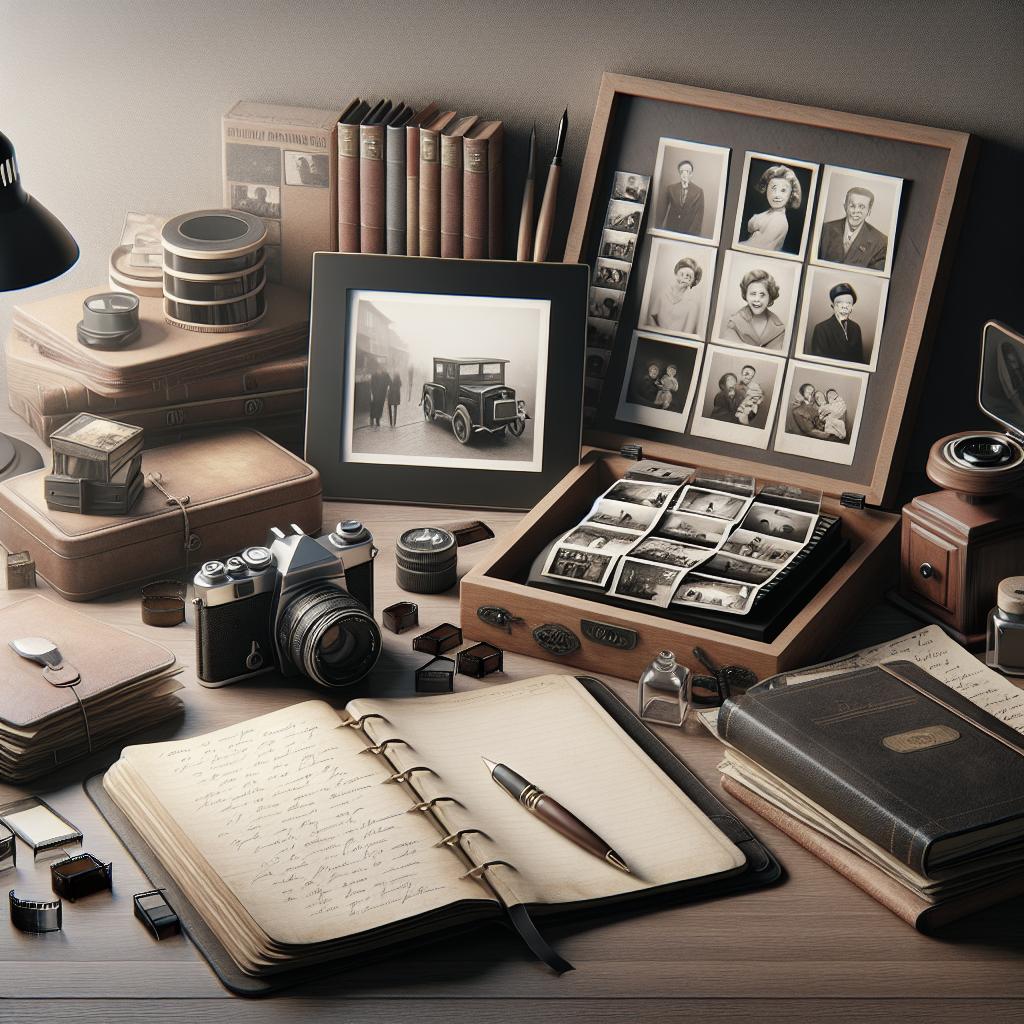
Physical artifacts often hold powerful memories, and creating a memory box is a hands-on method of preserving these. A memory box can house small, tangible items that have sentimental value, such as postcards, photographs, or keepsakes. This method provides a physical manifestation of cherished moments that one can return to time and time again.
Assembling a memory box is a personalized experience. Select a sturdy container, decorate it to your taste, and start adding items that carry memories of specific events or experiences. The box can grow over time as new memories are made, becoming an ever-evolving archive that tells a story through objects.
This memory preservation method can be shared with others during family gatherings or special occasions. Revisiting the memory box together allows for the sharing of stories and emotions, strengthening familial bonds and reinforcing shared history.
Make a Mixtape of Their Favourite Songs
Music has the unique ability to evoke vivid memories and emotions. Curating a mixtape or digital playlist of a loved one’s favorite songs is a beautiful way to encapsulate moments of their life. These compilations serve as an auditory diary, often linked to personal milestones and nostalgia.
Begin by gathering a list of songs that hold special significance to the individual. This could include tracks from their youth, songs marking important events, or tunes they simply enjoy. Once compiled, the mixtape becomes a treasured playlist that captures the essence of a person’s life through music.
Sharing the playlist fosters a connection with others, allowing them to experience memories through the same musical lens. As the songs play, listeners can reminisce, reflect, and celebrate the life and stories of the individual. It’s an enduring musical snapshot that honors their legacy.
Ask If They Want to Leave Messages for People
Leaving behind personal messages for family and friends is a poignant way of preserving an individual’s voice and thoughts for the future. These messages, whether in written, audio, or video format, can be deeply comforting for recipients, providing enduring words of love or advice.
Encourage your loved one to think about the people they wish to leave messages for and what they want to convey. This might include sharing their thoughts on important life lessons, expressing affection, or imparting wisdom. The impact of these messages can provide emotional solace and connection long after they’ve been shared.
It’s crucial to respect the privacy and comfort of the person leaving these messages. Whether they wish to make the messages public or keep them private until a later date, respecting their wishes ensures the personal nature of this memory preservation method is maintained.
Write Up Their Recipes
Family recipes are often tied to memories of shared meals and gatherings. Writing up these recipes preserves not just culinary secrets, but the memories associated with them as well. This is an excellent way of bridging generations through the flavors of the past.
Start by documenting the favorite recipes of a loved one. This may involve spending time in the kitchen with them, taking notes on their techniques, and understanding their personal twists on traditional dishes. These culinary instructions then serve as a written legacy that can be passed down through generations.
Consider compiling these recipes into a family cookbook. Add personal anecdotes, photos of the dishes, and historical context to enrich each recipe’s story. This turns an ordinary cookbook into a family heirloom, preserving both tastes and cherished moments for future enjoyment.
Download Their Photos from Social Media
In our digital age, many precious memories are documented on social media. Downloading loved ones’ photos from these platforms allows for a curated collection of snapshots capturing significant occasions and everyday life.
Whether it’s a travel adventure, a family gathering, or a simple day out, these photos help in preserving a timeline of events that were important to your loved ones. Organize these photos into digital albums or print them out, creating a tangible record of their life.
Furthermore, digital archiving ensures these memories are protected against potential data loss from social media platforms. By safeguarding these photos elsewhere, you ensure future generations can explore and appreciate the visual history of their ancestors.
Make a Memory Cloud
Leveraging technology, creating a memory cloud provides a centralized, digital archive of cherished memories. This innovative method involves storing photos, audio recordings, video clips, and documents on cloud platforms, ensuring they are easily accessible and secure.
Start by organizing the digital files you wish to preserve and consider the range of cloud services available, such as Google Drive, Dropbox, or OneDrive. Upload your collection, taking advantage of organizational features such as folders and tags to ensure easy navigation.
You can share this digital repository with family members, making it a collaborative space for collectively preserving family history. This method not only safeguards memory from physical deterioration but adapts to technological advancements, making it a future-proof option for memory preservation.
Future Prospects
| Method | Description |
|---|---|
| Interview Them About Their Life | Record personal stories and experiences through audio or video interviews. |
| Start a Memory Journal | Create a written collection of thoughts, events, and insights in journal form. |
| Create a Memory Box | Assemble a box of tangible items that hold sentimental value. |
| Make a Mixtape of Their Favourite Songs | Curate a playlist of significant songs that evoke memories. |
| Ask If They Want to Leave Messages for People | Encourage the creation of personal messages for loved ones. |
| Write Up Their Recipes | Document and preserve family recipes for future generations. |
| Download Their Photos from Social Media | Save and organize their social media pictures to prevent data loss. |
| Make a Memory Cloud | Use cloud storage to archive and share memories digitally. |
“`